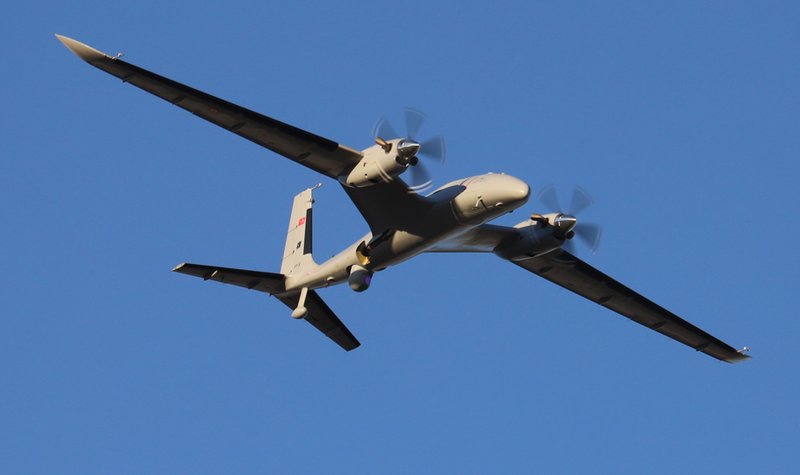
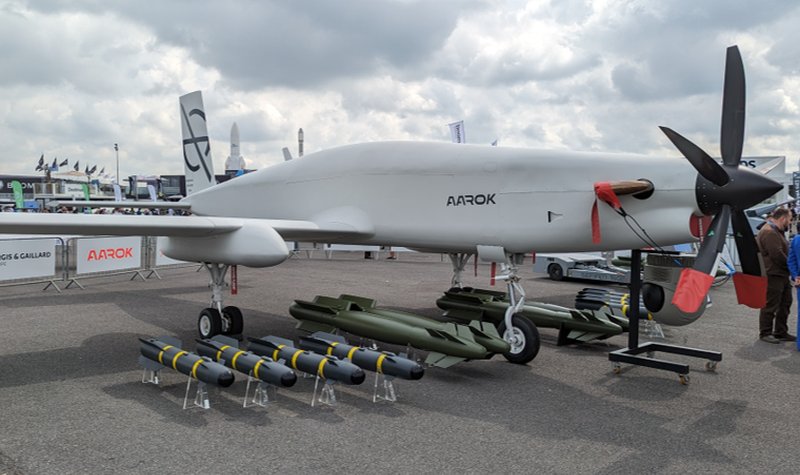
The success of the Akinci drone stems from Turkey’s push for domestically produced components – which has led to fewer export restrictions – and from manufacturer Baykar’s willingness to coproduce the drone with customers’ domestic industries.
At DSEI 2025, Red Cat outlines its expansion from UAVs into uncrewed surface vessels (USVs), positioning itself as a multi-domain defence provider spanning land, sea, and air.
Lithuania has committed significant funding towards expanding its UAV capabilities, with more than $54 million already spent and substantial additional investment planned through to 2029. Alongside domestic procurement, the country has also...
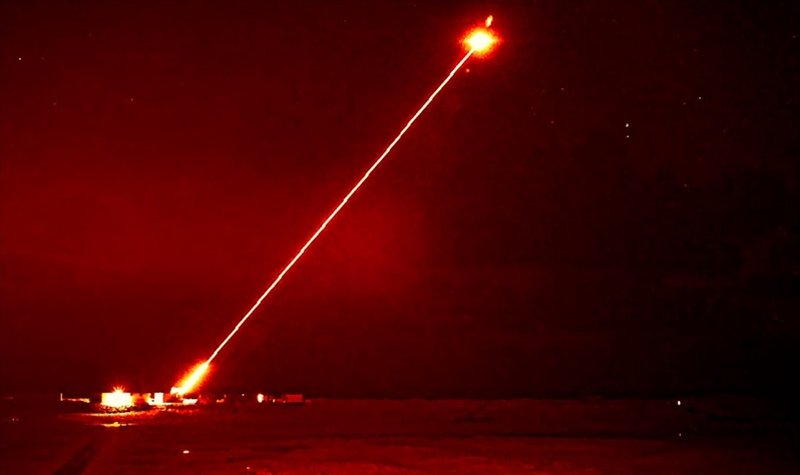
Europe’s air defence debate is increasingly shaped by the blunt economics of the field. While high-value interceptor missiles can effectively shoot down cheap drones, doing so at scale presents cost challenges.
Multiple USV programme milestones announced last week, aligned with a reinforcement of the Royal Navy’s vision for a hybrid fleet, point to innovation-led ambition but also to a structural calculation with resource ceilings that neither Lon...
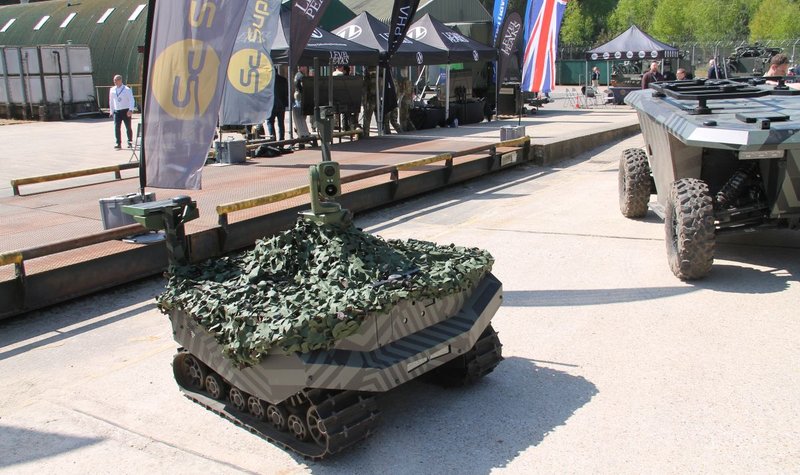
Following an order from the British Army, ARX Robotics has begun manufacturing autonomous ground platforms in the UK. Christopher Foss examines the company's growing range of systems.
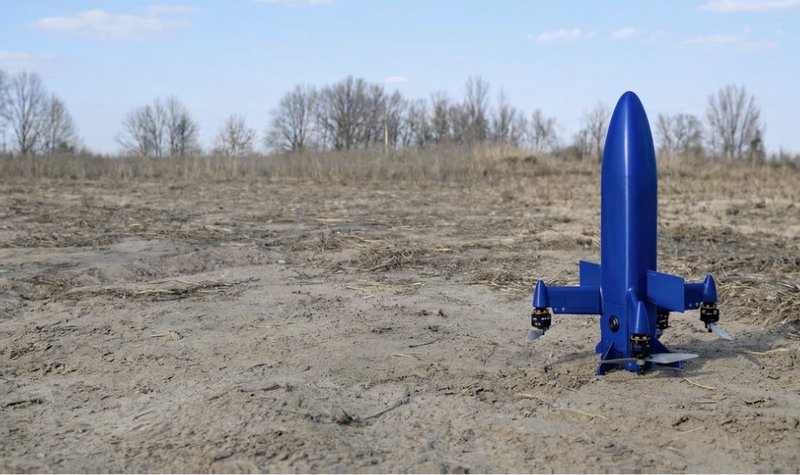
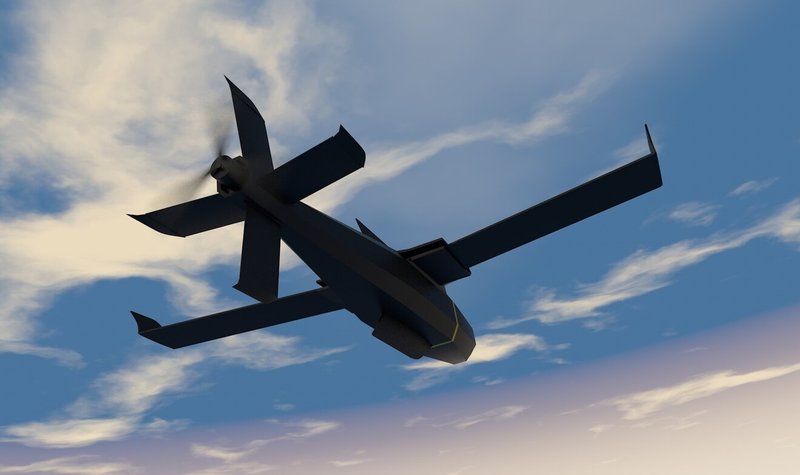
Following its investment into WinnyLab, Terra Drone unveiled a new long-range fixed-wing addition to its interceptor drone portfolio as it seeks to bring combat-proven technology back to Japan and expand into global export markets.
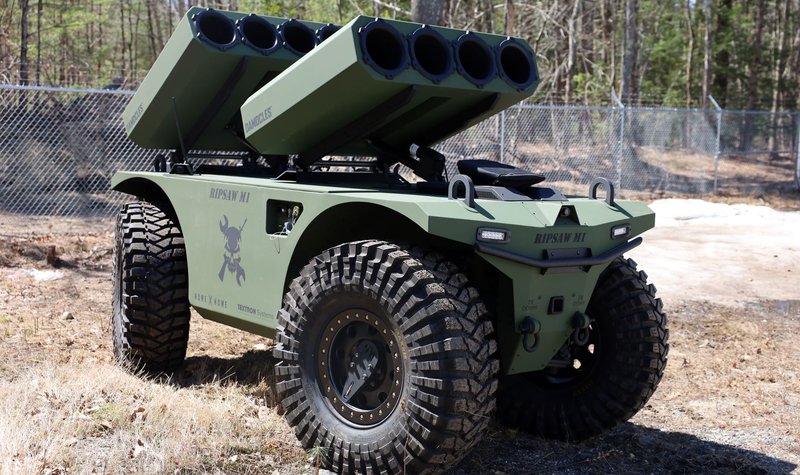
Ripsaw M1 has been designed to support the US Marine Corps’ littoral missions by carrying diverse types of payloads and performing multiple missions. Shephard spoke with Textron to find out more.
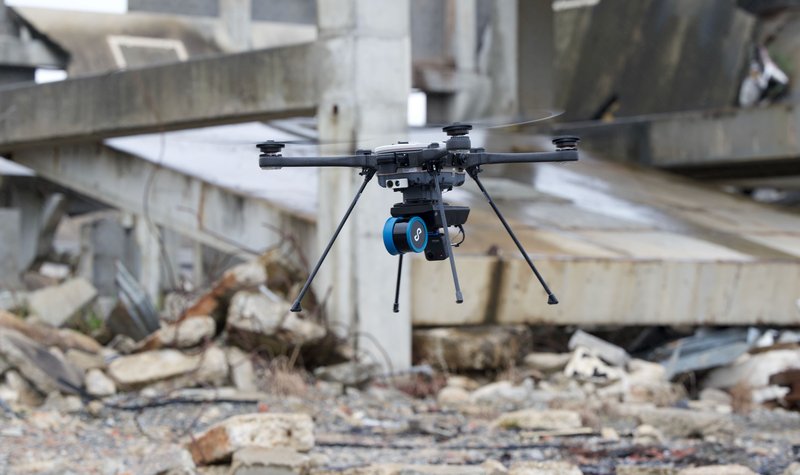
In a partnership with Emesent, Teledyne FLIR will equip its autonomous air, ground and detection systems with the Hovermap LiDAR payload in a move that highlights a broader market shift towards modular architectures, shared payloads and int...
Research programmes and system procurement efforts to counter uncrewed surface and underwater vehicle threats are accelerating as naval drone uptake spreads.
From France to Romania, there has been a clear shift away from expensive, vulnerable MALE UAVs in April towards lower-cost, expendable systems. Hard lessons from Ukraine and Iran have driven this shift.
After months of delays, Rheinmetall has inked a €300 million deal with Germany for its FV-014 drone this week as part of a wider framework contract worth €2.4 billion for loitering munition procurement. Shephard looks at how the as-yet-unaw...
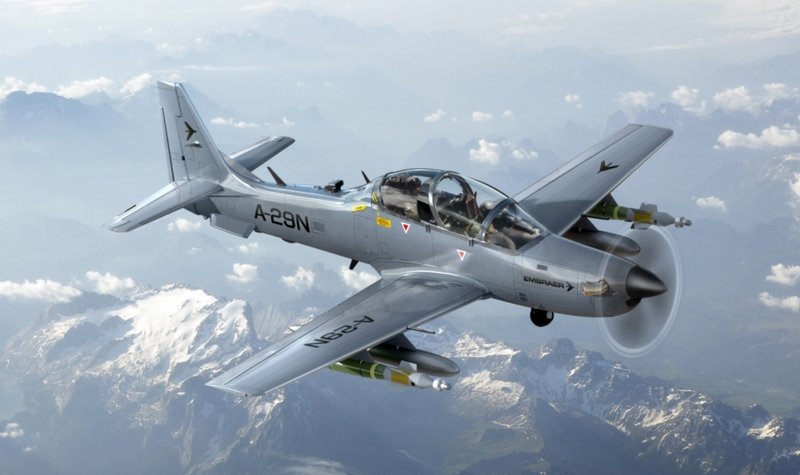
While the move to integrate lower-cost missiles onto more combat aircraft is long overdue, there is also an opportunity for cheaper turboprop platforms to perform CUAS roles.
With Ireland's EU presidency set to commence from July this year, the ramped-up efforts to procure a counter-uncrewed aerial system and radar capability under its Military Radar Programme are on track to meet targeted roll-out dates.