South American air forces are weighing advanced electronic warfare capabilities against limited budgets as Peru selects Viper Shield and BAE Systems targets smaller airborne platforms.
The US Air Force says the Sentry fleet’s DAR-400 encryptor can no longer keep pace with changing security requirements and warns that a failure could affect US operations and data security.
In the modern battlespace, military intercom systems can no longer operate in isolation. They must instead be integrated with the wider tactical network, gaining operational advantages through secure communications with dismounted soliders ...
In conversation… Everfox’s Chairman and Chief Executive Officer Dave Wajsgras and Managing Director, International, Colin McKinty discuss the critical importance of information security in defence, minimising insider risk and the company’s ...
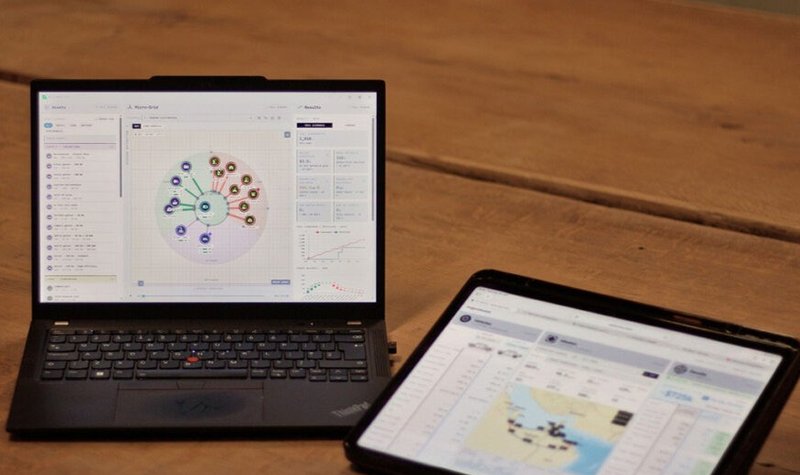
In Conversation… Shephard’s Andrew White talks to Zafer Şen, CEO and co-founder of OBSS, about the future of command-and-control software in the age of artificial intelligence, and his company’s ambitions in the UK defence market.
In Conversation… Military communications must adapt to a rapidly evolving battlespace, characterised by decentralised forces and an increasingly contested electromagnetic spectrum. To survive and thrive, it is vital to prioritise resilient ...
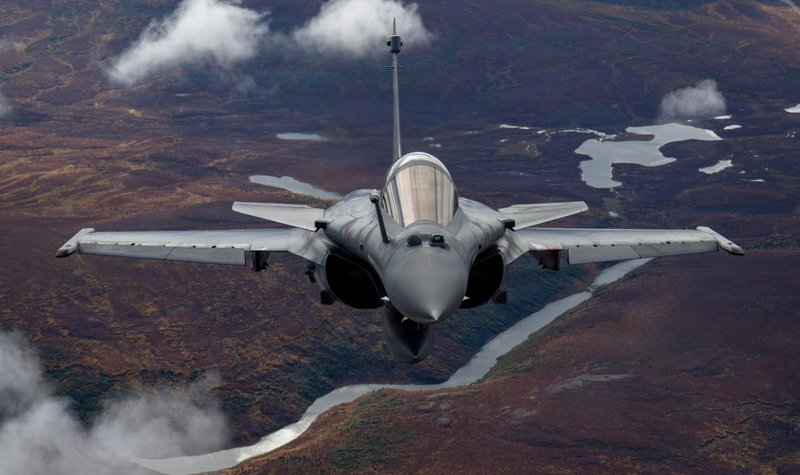
Dassault’s latest Rafale trials join Gripen E and F-16 testing as developers explore how artificial intelligence could support and control combat aircraft.
The Department of National Defence expects initial contracts to deliver thousands of uncrewed systems, but has yet to establish the quantities, capability mix or deadline behind Ottawa’s promised tenfold expansion.
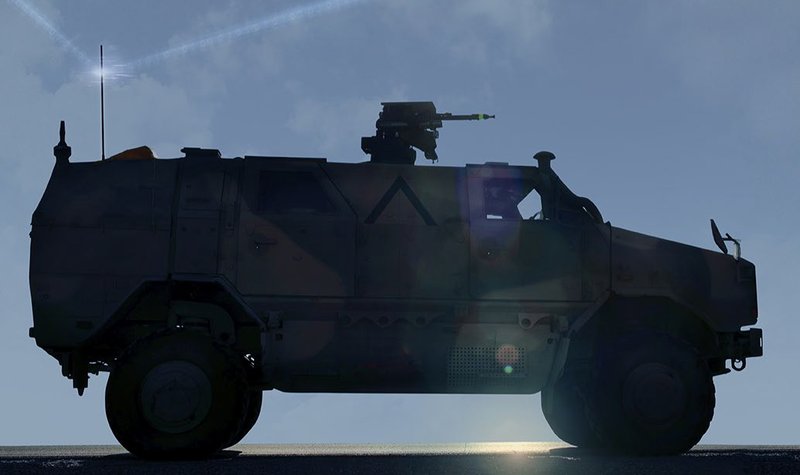
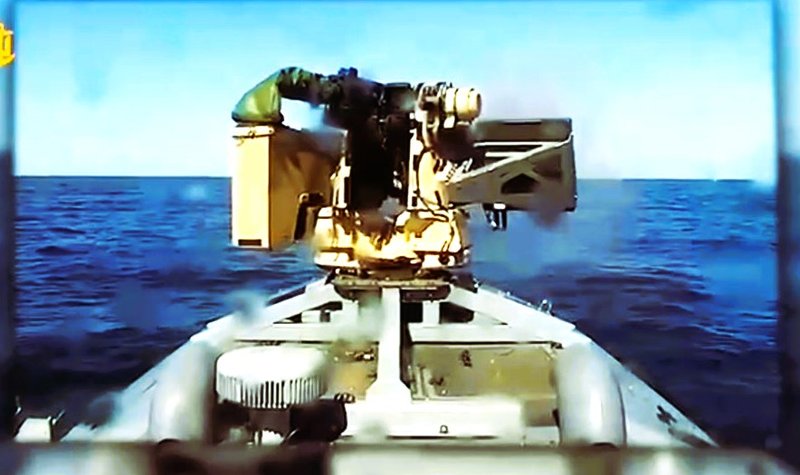
The company told Shephard that Ukraine is operating modified Protector weapon stations originally supplied for armoured vehicles, with human operators authorising engagements from hundreds of kilometres away.
A US$184.25 million contract for Next Generation Electronic Attack Units advances the Growler’s modernisation as the US Navy confronts ageing systems, parts shortages and obsolescence.
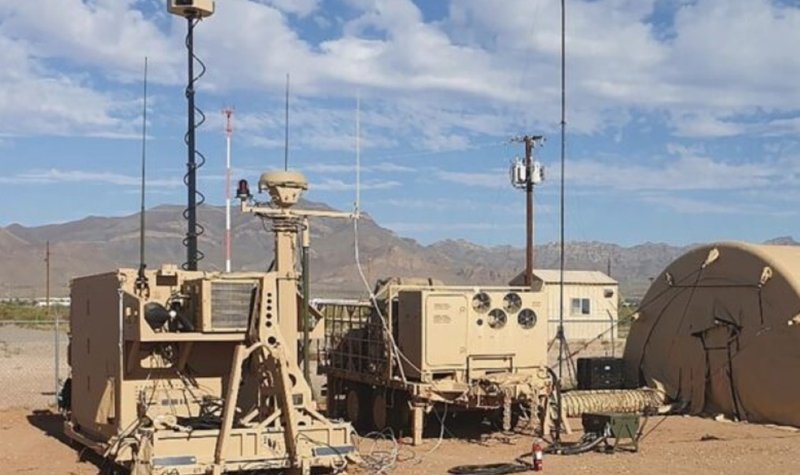
Northrop Grumman’s Integrated Battle Command System is in service with Polish forces and is being introduced to US forces, with further development underway on the original platform as well as a smaller, more mobile system.
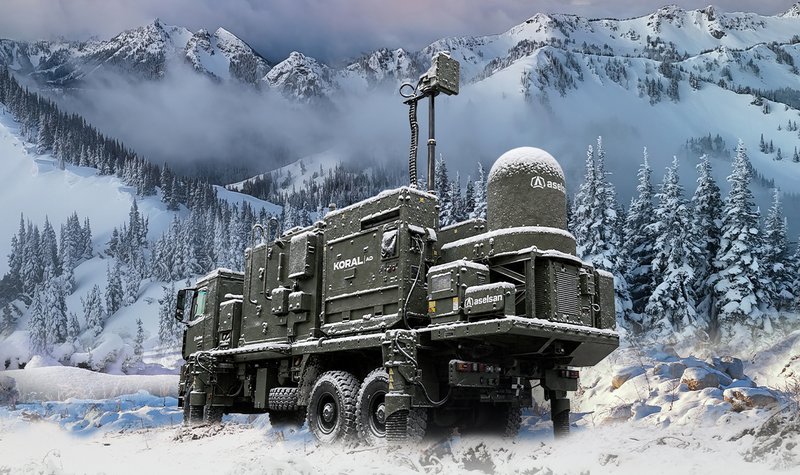
ASELSAN is showcasing its advanced electronic warfare (EW) capabilities at MSPO 2026, highlighting technologies designed to detect, analyse, disrupt and deceive threats across increasingly contested electromagnetic environments.
Saab has outlined how it is using artificial intelligence to make training more like electronic gaming, while the UK’s Power Size Technologies is applying the same technology to better evaluate and design vehicle capability, moving AI-enabl...
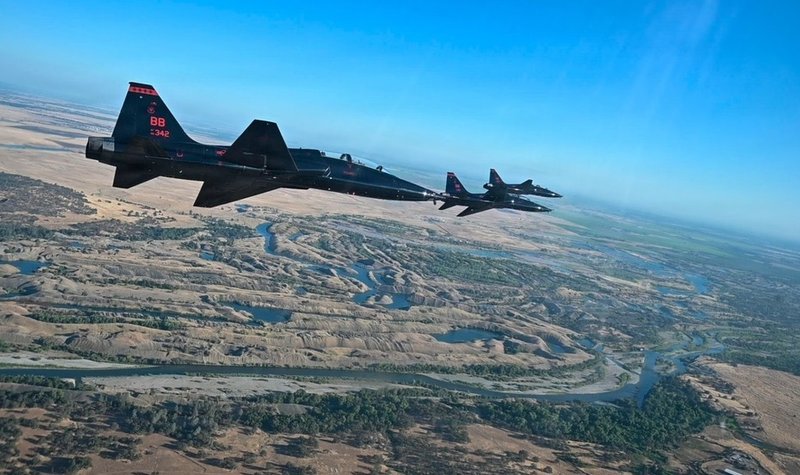
Contracts for E-3 aircrew training through August 2029 and supplies for the T-38 engine until December 2028 reflect issues with replacement and retirement plans across the USAF inventory.