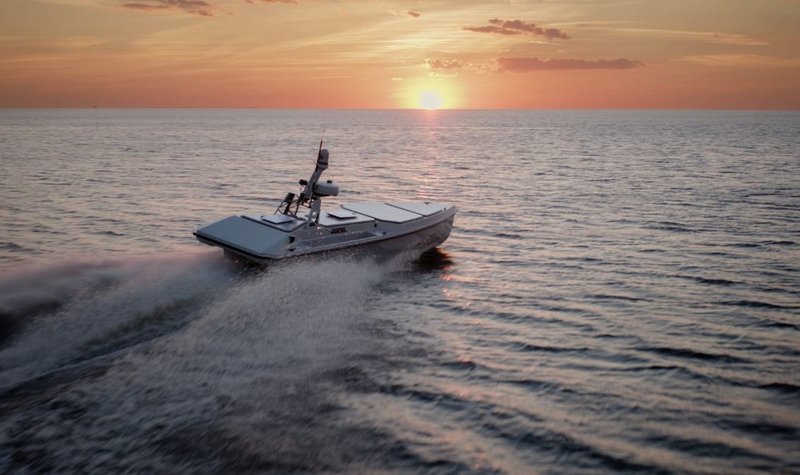
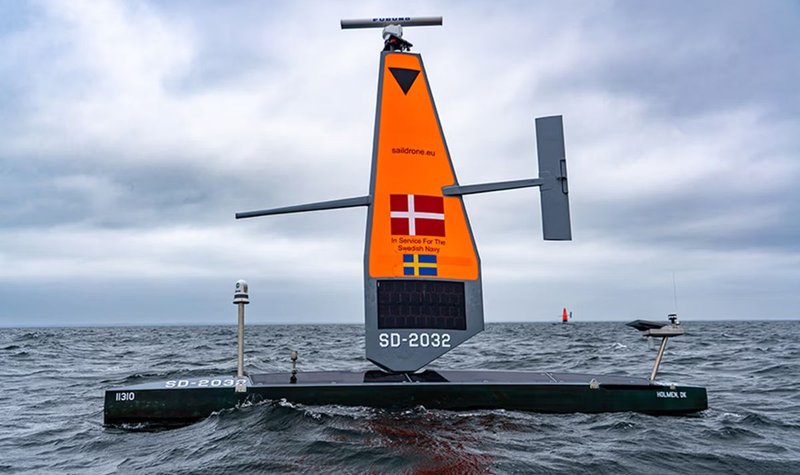
With its B-26 USV in full-rate production, Blue Ops is seeking to turn overseas interest into orders through a combination of lower operating costs, UAV integration and local manufacturing.
Denmark’s doubled deployment, Mediterranean smuggling routes and Norwegian composite hulls show where uncrewed surveillance demand is heading, while British funding remains unclear.
Roman Köhne, CEO of Rheinmetall's Weapon and Ammunition Division, discusses the company's announcements at Eurosatory 2026, including developments in defence technology, precision systems, industrial ...
At Eurosatory 2026, Pearson Engineering's Group CEO Ian Bell talked about the company's role in delivering specialist armoured engineering, route-clearance and demining capabilities to military custom...
Poland’s growing investment in UAVs highlights how recurring procurement contracts and continuous technological development can provide suppliers with sustained opportunities beyond initial acquisitions.
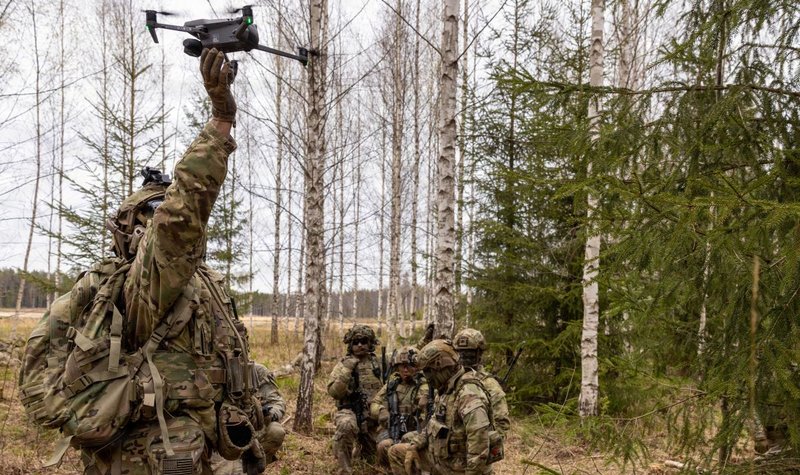
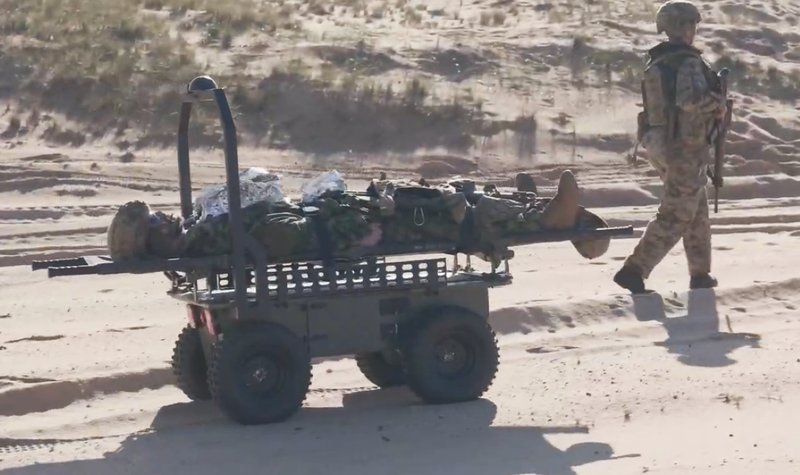
The large-scale exercise in Latvia was the culmination of three experimentation initiatives to see how platforms, weapons and systems could fit into the alliance’s Eastern Flank Deterrence Initiative. As well as forces, it brought together ...
Fast frigate deliveries to the Hellenic Navy, French pressure on suppliers over open architectures and calls for new classes of warship marked the start of the Paris show.
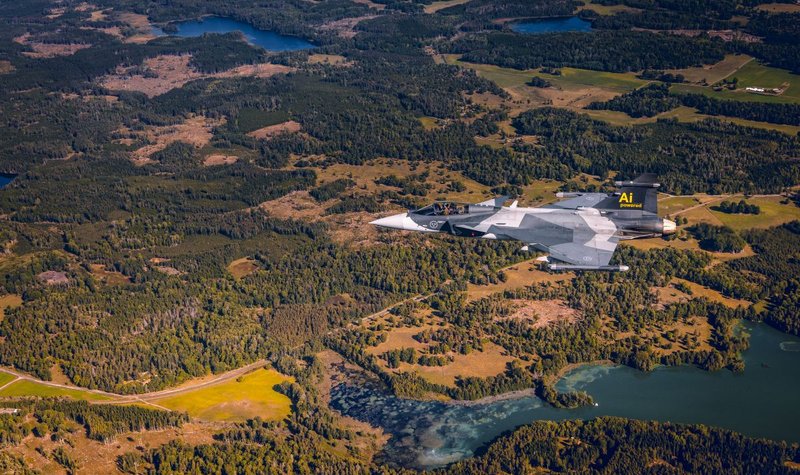
Saab is developing artificial intelligence (AI) agents for crewed and uncrewed aircraft, targeting potential operational deployment within months, while expanding its training capabilities, partnerships and ambitions for wider military appl...
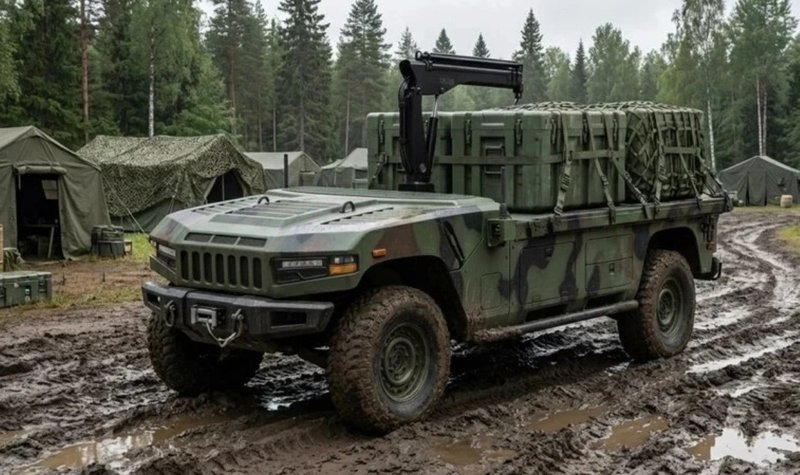
New counter-drone technologies, autonomous launchers and manufacturing modernisation initiatives highlighted emerging opportunities for defence suppliers, while the UK advanced a major military vehicle procurement programme.
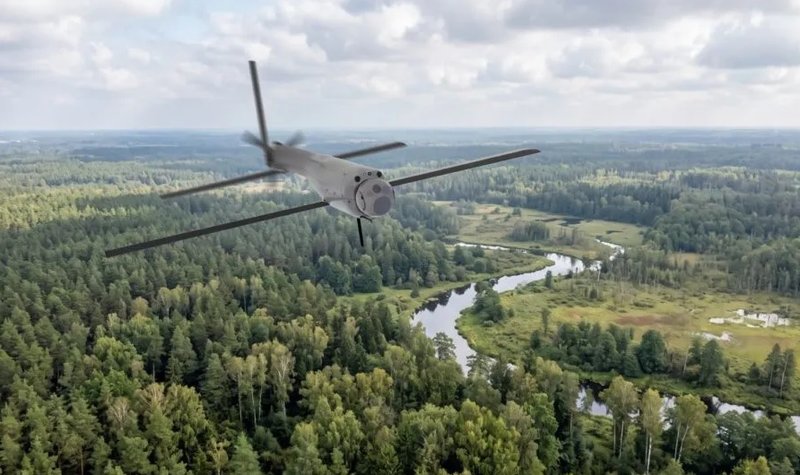
Recent procurement developments in France and Lithuania highlight the growing demand for loitering munitions, with global annual spending forecast to increase nearly 50-fold between 2020 and 2029.
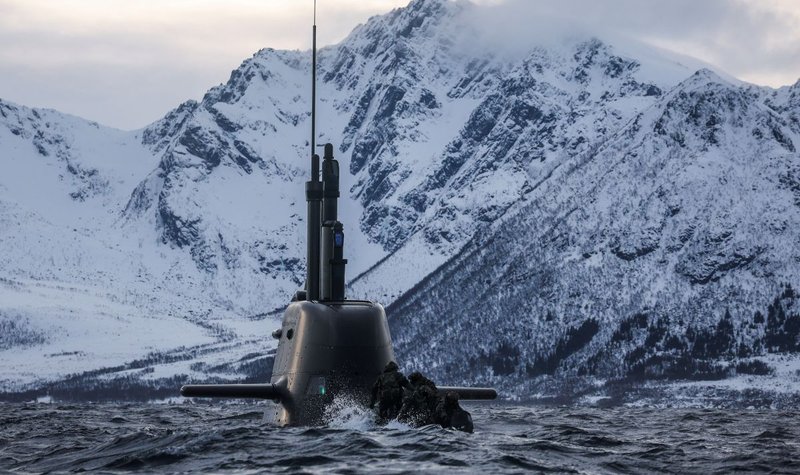
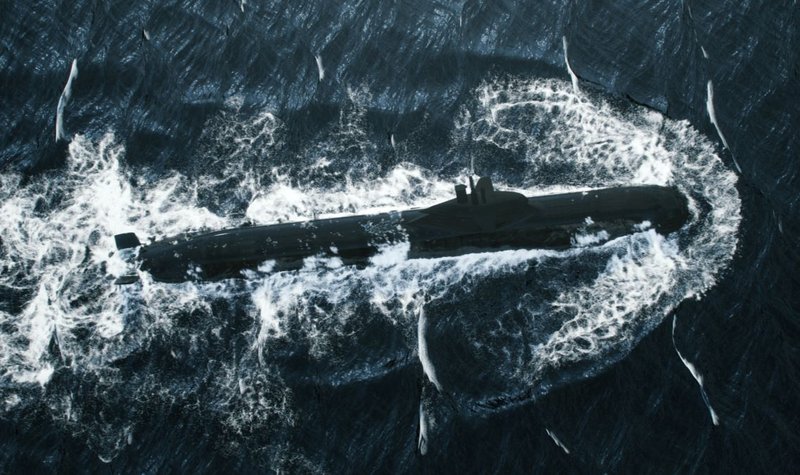
Poland is reshaping its naval capabilities through investments in surface and undersea fleets, with further procurement opportunities expected into the 2030s.
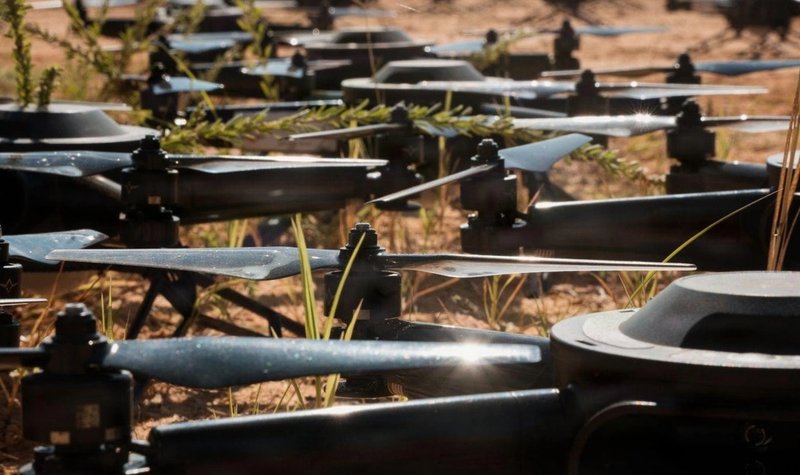
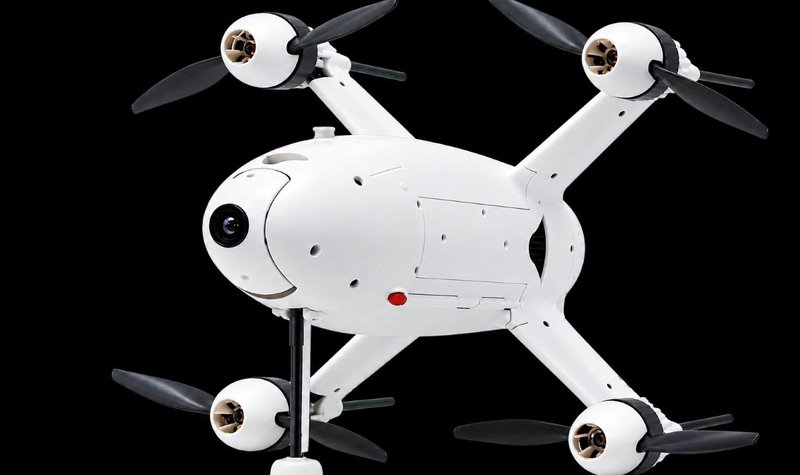
The companies have outlined plans for US$25 million manufacturing lines and initial deliveries in 2027 as Washington tightens restrictions on Chinese UAV components.
Quantum Systems’s Ukraine-made interceptor SPYS is thought to cost approximately 10 times less than Russia's jet-powered uncrewed aerial systems and is being produced at scale.