Land Warfare magazine: European armoured vehicles, high-intensity conflict, urban ops and more


Read the first edition of Land Warfare for free in our app or on your desktop. Register below to be sent the download link and receive future editions direct to your inbox.
Comment
A visit to DefExpo 2020 in Lucknow only served to underline the problems continuing to beset Indian Army procurement programmes.
Features include:
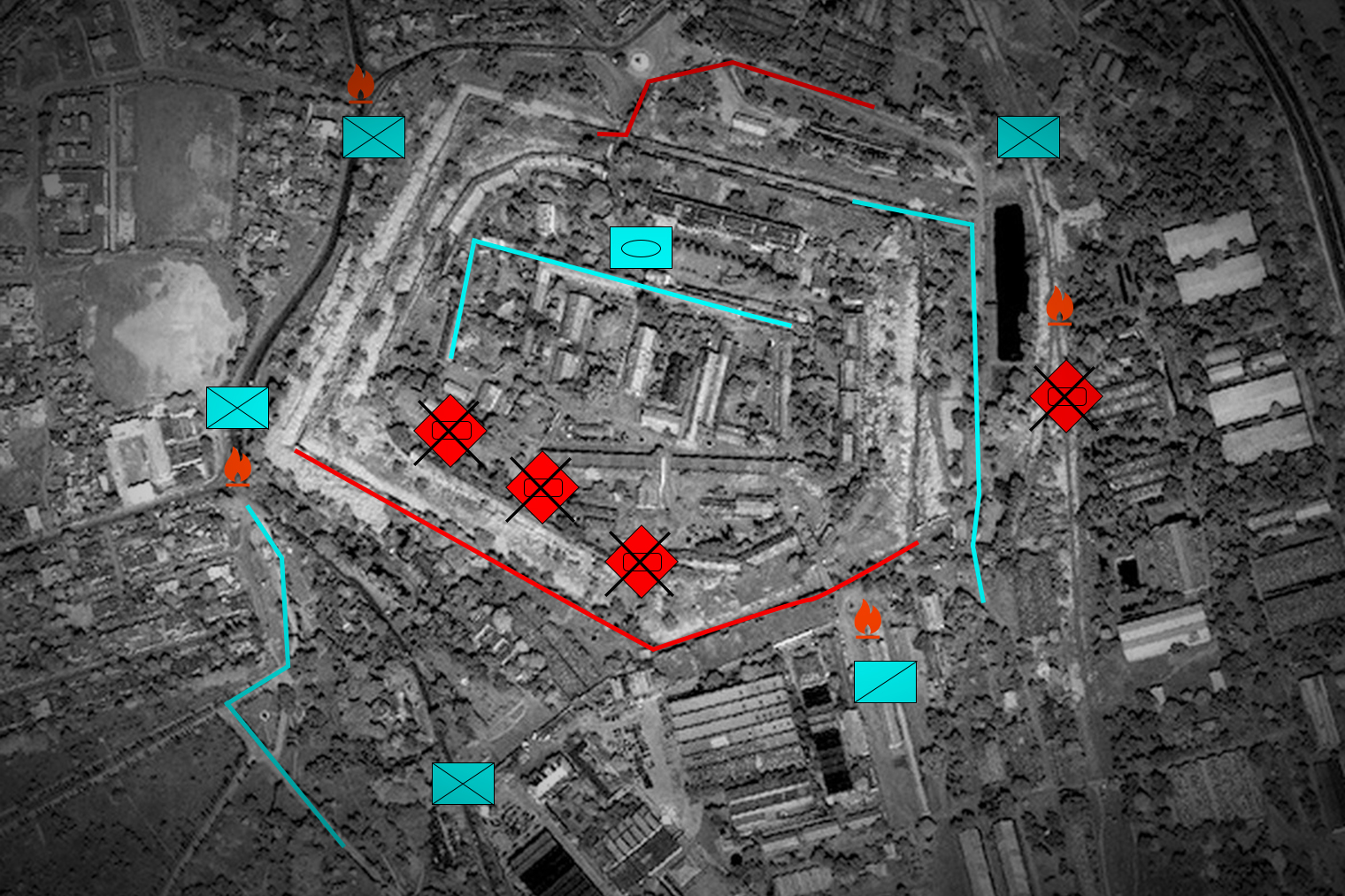
City limits
Conflict zones in built-up areas present unique challenges, both tactical and technological, for military forces.

Light weapons
Recent testing of laser systems for counter-UAS and air defence applications across a number of developing projects suggests they could expand in army use over the coming decade..
Other features include:
A new era?
The prospect of facing off against adversaries with equal or better equipment and technology is forcing a rethink of procurement and doctrine among Western ground forces.
Balancing act
Shephard’s Defence Insight analyses how the rebalancing of defence capabilities from COIN to peer-on-peer conflict is reflected in armoured vehicle procurement programmes.
Unseen opportunities
Concerns surrounding the Russian Army’s EW prowess are well placed, but the force’s modernisation efforts are creating openings for NATO practitioners at operational and tactical levels.
Enduring legacy?
A number of Europe’s AFV fleets are still dominated by platforms built or conceived in the Cold War era. Shephard’s Defence Insight analyses current inventories and assesses their replacement potential.
Eternal life?
Modernisation efforts continue for the venerable M2 heavy machine gun, with new ammunition and mounts keeping the weapon relevant into its second century.
Versatile vehicles
.



More from Land Warfare
-
![Europe commits to long-range fires but countries move in different directions]()
Europe commits to long-range fires but countries move in different directions
Sweden, Croatia and France are pursuing different rocket artillery solutions as European armies seek greater reach, survivability and industrial resilience.
-
![MAAF to test Britain’s shift from armour to distributed lethality in Estonia]()
MAAF to test Britain’s shift from armour to distributed lethality in Estonia
The bilateral agreement between the UK and Estonia comes as both countries explore how dispersed troops, drones, digital targeting, anti-tank weapons and increasingly long-range fires can complement the combat mass traditionally provided by heavy armour.
-
![Polaris expands Arctic mobility offering as US military orders grow]()
Polaris expands Arctic mobility offering as US military orders grow
The Military 850 Voyageur 155 Crossover has secured orders from the US Army, Air Force and Marine Corps, addressing demand for agile Arctic mobility with passenger, cargo and towing capacity.