


BAE Systems looks beyond the M113 replacement as it tests 30mm AMPV
The development demonstrates how the platform could provide additional firepower and growth potential while the US Army progresses its long-term replacement for the Bradley.


ArmorSource is set to commence deliveries of its Lightweight Advanced Combat Helmet (LW-ACH) to the US Army with First Article Testing (FAT) now complete.
The company will deliver 105,000 helmets to the army throughout 2016.
The LW-ACH is designed to provide advanced protection while alleviating the head and neck weight burden on the soldier, weighing in four ounces (113 grams) lighter than the current Advanced Combat Helmet (ACH).
The ArmorSource LW-ACH, model AS-505, provides protection against multiple projectile and fragmentation threats, back-face deformation, and blunt and shock impact resistance.
Yoav Kapah, CEO, ArmorSource, said: ‘The LW-ACH FAT was challenging. It presented extensive and evolved ballistic test protocols. But the vigorous process assures the army and the soldiers that the helmet delivers improved and enhanced protection.
‘ArmorSource’s progressive R&D, engineering and production readiness capabilities are fully engaged to begin supporting the US military with a lighter and more robust combat helmet. And we are very proud to do so.’


The development demonstrates how the platform could provide additional firepower and growth potential while the US Army progresses its long-term replacement for the Bradley.
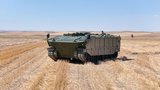
FNSS and PT Pindad are progressing the Indonesian tracked armoured personnel carrier programme as local production gets under way.
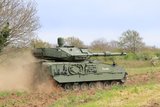
Firing trials of the Tulpar and Leonardo Hitfact Mk II combination follow an integration programme covering mechanical, electrical, electronic and software interfaces.
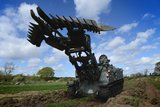
The news from Ukraine has again shown that antitank minefields and other obstacles on the battlefield, such as deep trenches, can play a key role in both offensive and defensive operations. Given this, there will always be a need to clear them, both during and after a conflict.
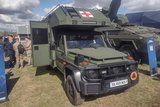
The UK Ministry of Defence has avoided being prescriptive in its search to replace the British Army’s Land Rover, meaning vehicle types being offered range from Land Rover Defender Wolf II and Humvee to the hybrid series Fering Pioneer. What does this mean for the procurement process?

The introduction of Ajax vehicles into British Army service was stopped after operator health issues were reported during an exercise, but manufacturer General Dynamics Land Systems UK believes work over the past 10 months has dealt with the problems.

Connect with us on socials


