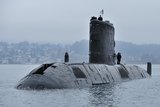
Naval Group signs Attack sub design contract


Naval Group and the Australian government have signed the first phase of the Submarine Design Contract for Australia’s Attack-class submarine programme, the company announced on 5 March.
The first phase of the contract is worth $605 million and will extend through to 2021. This is the first contract workscope to be fully executed under the strategic partnering agreement.
The phase of work includes the ongoing maturation of the Attack-class design as it progresses into the next design phase known as the definition phase. This will include the source selection of over 100 critical and main equipment that will contribute to the submarine design solution.
The contract also includes ongoing preparations for the build of the Attack-class in the Osborne shipyard in South Australia, including ongoing support to Australian Naval Infrastructure for the design and build of the Submarine Construction Yard and the ICT systems that will be employed in there.


More from Naval Warfare
-
![A400M trial demonstrates airborne deployment of uncrewed surface vessel]()
A400M trial demonstrates airborne deployment of uncrewed surface vessel
Kraken Technology Group’s A400M airdrop of a K3 Scout uncrewed surface vessel points to a new way for navies to insert USVs into contested waters, bypassing ports and motherships.
-
![Babcock onshores 85% of Canada’s submarine supply chain as it eyes future CPSP programme]()
Babcock onshores 85% of Canada’s submarine supply chain as it eyes future CPSP programme
By moving most of the Royal Canadian Navy’s submarine supply chain into Canada, Babcock Canada is driving to strengthen sovereign sustainment capabilities while preparing to compete to maintain the future Canadian Patrol Submarine Project.
-
![From the seas to the web: the changing shape of UK defence in Southeast Asia]()
From the seas to the web: the changing shape of UK defence in Southeast Asia
As his final engagement before leaving his post as the head of the British defence staff for Southeast Asia and defence adviser to Singapore, Brigadier Eddie Maskell-Pedersen spoke with Shephard about maritime security, cyber cooperation and long-term partnerships.
-
![Baltic naval priorities shift towards mine warfare and versatile platforms]()
Baltic naval priorities shift towards mine warfare and versatile platforms
Baltic states are investing in mine warfare, uncrewed systems and multirole platforms as major warship purchases remain scarce, industry sources indicate.