


“Capital follows confidence” as defence courts private money
Outside investment and the direction in which venture money flows may reveal what defence will buy years before formal programmes begin.


Sukhoi Superjet 100 SN 95004 has completed its cold soak trials in Yakutsk and returned to the Zhukovsky-based Sukhoi Civil Aircraft Company flight test centre on the outskirts of Moscow.
Yakutsk, the sixth regional airport in Russia and CIS, where the SSJ100 has successfully performed its assigned flight test programme, hosted successful runs of standard procedures designed to warm up the aircraft after long-term parking of up to 17 hours (while the aircraft was exposed to temperatures that reached –41°С) with a further check of aircraft system performance and a launch of the APU and then the engines. These procedures involved standard ground service equipment.
Upon warm-up completion, a total of seven test flights, assigned to this trial batch, was delivered, demonstrating the smooth operation of all onboard systems after aircraft’s low temperature soak. SCAC’s team also assessed the influence of short-term parking on aircraft availability for the next take-off.
The batch of operational cold soak trials was performed to support aircraft operation on regular flights, demonstrating its readiness for operation under temperatures as low as –41°С with no tailored equipment or procedures involved. Later, upon receipt of the type certificate, additional trials will be held to extend the temperature operational limits.


Outside investment and the direction in which venture money flows may reveal what defence will buy years before formal programmes begin.
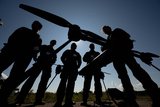
The Department of National Defence expects initial contracts to deliver thousands of uncrewed systems, but has yet to establish the quantities, capability mix or deadline behind Ottawa’s promised tenfold expansion.
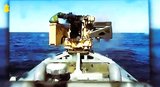
The company told Shephard that Ukraine is operating modified Protector weapon stations originally supplied for armoured vehicles, with human operators authorising engagements from hundreds of kilometres away.
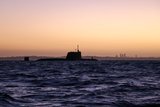
A report from the Council on Geostrategy argues the UK should move away from a traditional balanced force and shift investment to naval, air and space capabilities, backed by a larger fleet of attack submarines and deeper AUKUS integration.

At its technology summit in London, attended by Shephard, Thales UK examined the importance of speed to delivery, the growing focus on cross-domain capabilities and how procurement reform could be crucial for future battlefield advantage.
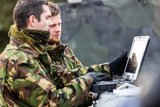
Are all systems ready for the next mission? Have upgrades been applied? Are all assets aligned to deploy together, on time and fully prepared? In modern defence operations, readiness is no longer measured platform by platform. It is measured by how well people, assets, data and decisions move together — across land, sea and air.

Connect with us on socials


