Shvabe upgrades laser imager
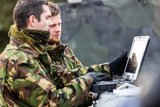
A new thermal imaging channel has been added to a Shvabe thermal imaging device. (Photo: Shvabe)
Upgraded Russian imaging system is expected to deliver 3-10x magnification.


Shvabe Holding subsidiary MZ Sapphir has upgraded one of its laser imaging devices by adding a thermal imaging channel, a passive mode control panel and other technical elements.
‘The new device enables surveillance in low light night-time conditions and low atmospheric visibility caused by fog, rain, snow and other weather events,’ Shvabe parent company Rostec announced on 3 September.
The patented upgraded imaging system is expected to deliver 3-10x magnification. Under normal conditions, the maximum recognition range will be 1km for a human figure, 4km for a truck and 15km for a ship.
MZ Sapphir CEO Sergey Kuznetsov noted: ‘The proposed solution improves the functionality of night vision devices. Precision surveillance in difficult conditions and quick angular field adjustment without compromising the image quality are just some of the advantages of the new build.’



More from Defence Notes
-
![“Capital follows confidence” as defence courts private money]()
“Capital follows confidence” as defence courts private money
Outside investment and the direction in which venture money flows may reveal what defence will buy years before formal programmes begin.
-
![Canada’s new military drone marketplace targets rapid acquisition pipeline]()
Canada’s new military drone marketplace targets rapid acquisition pipeline
The Department of National Defence expects initial contracts to deliver thousands of uncrewed systems, but has yet to establish the quantities, capability mix or deadline behind Ottawa’s promised tenfold expansion.
-
![UK urged to prioritise sea, air and space over heavy armour]()
UK urged to prioritise sea, air and space over heavy armour
A report from the Council on Geostrategy argues the UK should move away from a traditional balanced force and shift investment to naval, air and space capabilities, backed by a larger fleet of attack submarines and deeper AUKUS integration.
-
![Orchestrating operational readiness across every defence domain]()
Orchestrating operational readiness across every defence domain
Are all systems ready for the next mission? Have upgrades been applied? Are all assets aligned to deploy together, on time and fully prepared? In modern defence operations, readiness is no longer measured platform by platform. It is measured by how well people, assets, data and decisions move together — across land, sea and air.