


Armed forces race to keep counter-UAS defences up to date
Procurement of counter-uncrewed aerial systems is accelerating as the rapidly evolving capabilities of autonomous drones pushes developers to combine sensors and improve alerts for soldiers.


Rafale aircraft in French service with receive new helmet-mounted sights and multifunction cockpit displays. (Photo: Thales)
Thales is providing new avionics equipment for Dassault Rafale fighter aircraft in service with the French Air and Space Force and French Navy.
The company announced on 22 July that it will supply 350 Scorpion helmet-mounted sight and display systems and 400 digital multifunction displays (MFDs) under a contract from French defence procurement agency DGA.
The value of the deal was undisclosed.
‘This new equipment will further enhance the operational effectiveness of the Rafale F4 standard,’ Thales noted, adding that the Scorpion systems and MFDs will ‘deliver enhanced tactical situational awareness and slave the weapon or mission systems to the pilot’s line of sight to improve the effectiveness of air operations’.
The 400 digital multi-function displays on order will replace lateral displays on in-service French Rafale aircraft. The new equipment offers a larger display area, an improved touchscreen interface and greater processing power.
With its display symbology, Scorpion blends diverse information from onboard sensors. ‘Coupled with the weapon system, the display can be used to designate and track targets anywhere in the crew’s field of view in daylight and at night,’ Thales claimed.

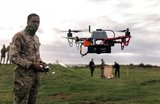
Procurement of counter-uncrewed aerial systems is accelerating as the rapidly evolving capabilities of autonomous drones pushes developers to combine sensors and improve alerts for soldiers.
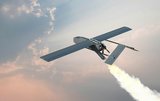
Ukraine’s growing investment in deep-strike capabilities underscores the importance of mass drone production, with US and European suppliers increasingly turning to civilian manufacturing expertise to scale their operations.
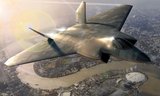
November’s crewed air market demonstrated the ways allies are working together to modernise their air forces, showing how future partnerships could take different forms depending on what countries need most.
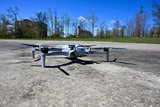
Swarm Defense built bomber UAV prototypes in under three weeks for the Pentagon’s Drone Dominance Program in an indication of how quickly manufacturers of uncrewed aircraft have to compete for contracts.
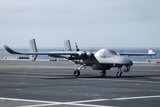
Tekever’s AR5 carrier debut highlights its potential for maritime surveillance as the Royal Navy develops its future hybrid air wing.
How can armed forces connect autonomous platforms and introduce new capabilities faster while maintaining security and airworthiness?

Connect with us on socials


