Eastern European helicopter modernisation could open doors for Western manufacturers
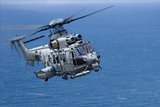
Hungary purchased 16 Airbus H225M helicopters as part of its armed forces modernisation programme. (Photo: Airbus)
With some Eastern European countries already upgrading their helicopter fleets to incorporate Western technology, the region presents potential future opportunities for defence companies.


Eastern European nations that have turned towards the West have long sought to replace their ageing Soviet-era helicopters. Following the 2022 Russian invasion of Ukraine, the need to upgrade equipment has been accelerated alongside a growing focus on increasing interoperability and commonality with NATO and its allies.
The greatest obstacles these countries have faced are the high price tags and the significant time commitment required to transition to modern Western helicopter platforms, particularly when it comes to retraining pilots and soldiers to operate them. Beyond the learning curve, Eastern Europe has also had to invest in building up the relevant infrastructure
Our news & analysis is now part of Defence Insight®
A Basic-level or higher Defence Insight subscription is now required to view this content.



More from Air Warfare
-
![France earmarks further $11.6 billion for missiles and drones amid rearmament push]()
France earmarks further $11.6 billion for missiles and drones amid rearmament push
The revised funding allocation will see up to 23% of the additional budget put towards stockpiles of munitions, with the country’s GDP spending expected to reach 2.5% by 2030.
-
![UK SMEs remain vulnerable in effort to help build sovereign capabilities, JCNSS report warns]()
UK SMEs remain vulnerable in effort to help build sovereign capabilities, JCNSS report warns
The report comes as heads of industry bodies warn that the delayed defence spending plan has left smaller and medium sized businesses in stasis, unable to plan or seek out further investment.
-
![Norway revitalises effort to acquire a tactical-class UAV with $103 million competition]()
Norway revitalises effort to acquire a tactical-class UAV with $103 million competition
Norway first scoped the requirement in 2022, and included it in a defence strategy document in 2023. The announcement of a new framework agreement appears to have breathed fresh life into the effort.
-
![March Drone Digest: Long-range, low-cost loitering munitions are changing warfare economics]()
March Drone Digest: Long-range, low-cost loitering munitions are changing warfare economics
The effective use of the Shahed-136 in the Iran war has highlighted the need for countries to acquire a domestically produced, low-cost, long-range loitering munition, with the US, Turkey and European nations all at various stages of developing a similar capability.