Leonardo UK “optimistic” on further Proteus funding, confirms international interest
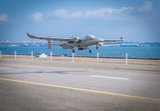
The Proteus demonstrator took its maiden flight in January 2026. (Photo: Leonardo UK)
The Proteus demonstrator is being pitched as a key platform showcasing the UK’s capabilities to build autonomous systems, with Leonardo in ongoing discussions about the future of the programme with the Royal Navy and UK Ministry of Defence.


Leonardo executives have said the company is optimistic of further funding for its Proteus programme, ahead of the UK’s pending Defence Investment Plan (DIP), with the company also in discussions with international customers in the wake of successful flight tests.
The UK Ministry of Defence (MoD) awarded Leonardo a four-year contract worth £60 million (US$82 million) in 2022 for the Rotary Wing Uncrewed Air Systems (RWUAS) Phase 3A Technology Demonstrator Programme – also known as ‘Proteus’.
The technology demonstrator initiative, developed by Leonardo at its UK base in Yeovil, is being carried out in partnership with the UK MoD to support the Royal
Our news & analysis is now part of Defence Insight®
A Basic-level or higher Defence Insight subscription is now required to view this content.

More from Air Warfare
-
![FIA 2026: KAI to offer T-50 jet trainer to UK Royal Air Force]()
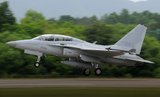
FIA 2026: KAI to offer T-50 jet trainer to UK Royal Air Force
Another contender for the Royal Air Force's future Hawk trainer replacement programme has emerged, with Korea Aerospace Industries (KAI) putting forward its T-50 as a proven solution that could be manufactured in the UK.
-
![FIA 2026: Honeywell Aerospace targets expansion following June spin-off]()
FIA 2026: Honeywell Aerospace targets expansion following June spin-off
Honeywell Aerospace charted its growth strategy as a standalone company, with CEO Jim Currier pointing to record defence budgets and a $19 billion backlog as drivers of expansion.
-
![FIA 2026: Embraer, Anduril sign agreement to develop cruise missile launch capability for the C-390]()
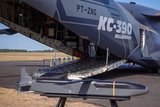
FIA 2026: Embraer, Anduril sign agreement to develop cruise missile launch capability for the C-390
The Brazilian airframer and US developer have announced plans to offer a palletised launch system for the twinjet tactical airlifter.