Electric and hybrid aerial drone fleets are expanding their footprint
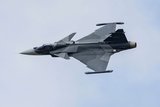
The UK Royal Navy declared in September last year that the T-150 was cleared for frontline use. (Photo: BAE Systems)
Advances in uncrewed aerial vehicles powered by renewable technologies are coming to the fore, with battery, hydrogen and solar propulsion challenging traditional fossil fuel-dependent models.


Electric-powered and hybrid uncrewed aerial vehicle (UAV) designs are rapidly maturing, as demonstrated by several new releases and tests from defence companies over the past 12 months.
Western countries, notably the US and France, are investing heavily in such devices, driven largely by their ability to be recharged in the field and reduced reliance on potentially vulnerable fuel depots and supply chains. Electric and hybrid UAVs are performing a range of battlefield tasks including reconnaissance, casualty evacuation, logistics and resupply, and even engaging in kinetic roles like anti-submarine warfare.
The next generation of these is likely to benefit from improved systems and technologies,
Our news & analysis is now part of Defence Insight®
A Basic-level or higher Defence Insight subscription is now required to view this content.

More from Air Warfare
-
![Ukraine fighter jet plans accelerate with Sweden and Belgian updates]()
Ukraine fighter jet plans accelerate with Sweden and Belgian updates
The country could be on the cusp of finalising an historic deal with Saab for up to 150 aircraft, with Belgium also increasing its number of donated F-16 aircraft to 53 with refreshed delivery timelines.
-
![US Air Force prepares next stage of E-3 Sentry modernisation]()
US Air Force prepares next stage of E-3 Sentry modernisation
The USAF intends to conduct the second phase of the DRAGON programme from FY2026 to FY2030, while the future of the E3 replacement remains unknown.
-
![Why Embraer’s C-390 Millennium trajectory continues to climb (updated 2026)]()
Why Embraer’s C-390 Millennium trajectory continues to climb (updated 2026)
The medium airlift aircraft is swiftly becoming the top pick for an array of countries wishing to enhance their tactical transport capabilities.