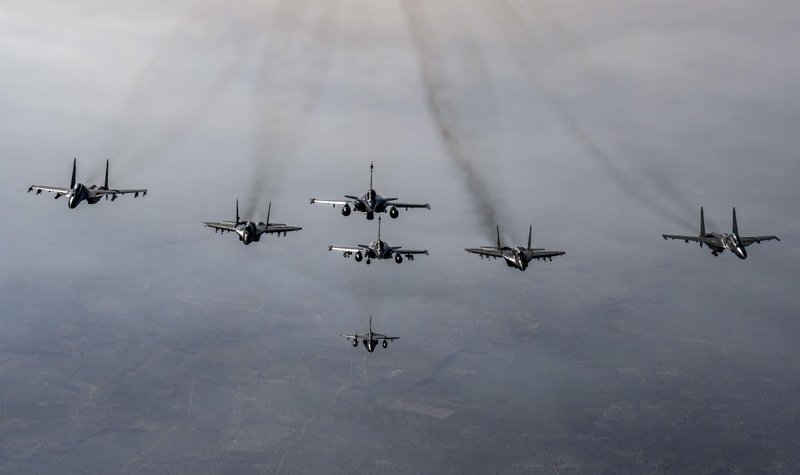
Senior military leaders have highlighted the need for interoperable systems, common data standards and closer cooperation between India's armed services.
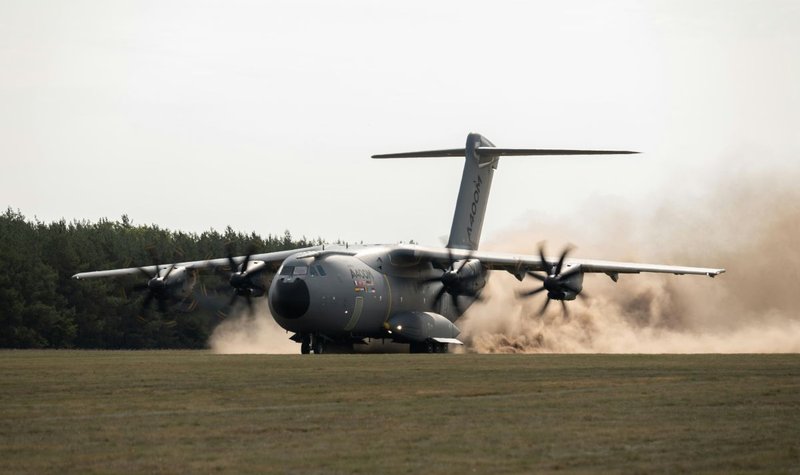
Airbus is developing new capabilities for its A400M transport aircraft as European countries consider future airlift requirements and the UK plans to deploy the aircraft to Saudi Arabia.
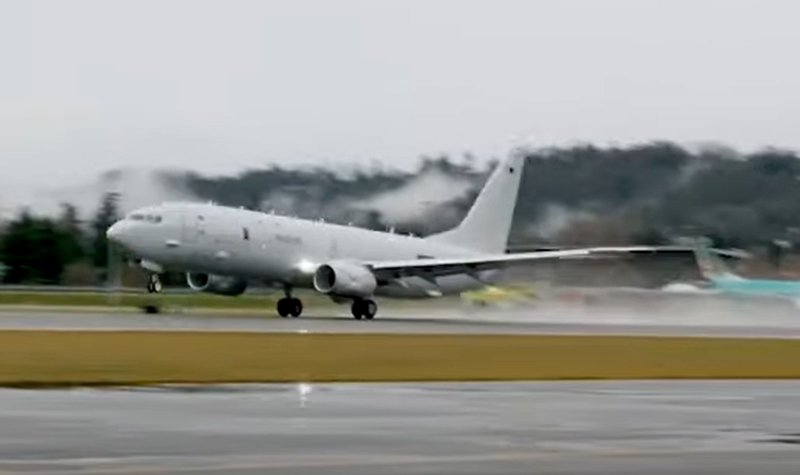
The P-8 Poseidon multi-mission maritime patrol aircraft (MPA) is based on the Boeing 737NG airliner. It has been ordered by several countries, including Germany, and US Navy (USN) P-8s are being upgraded.
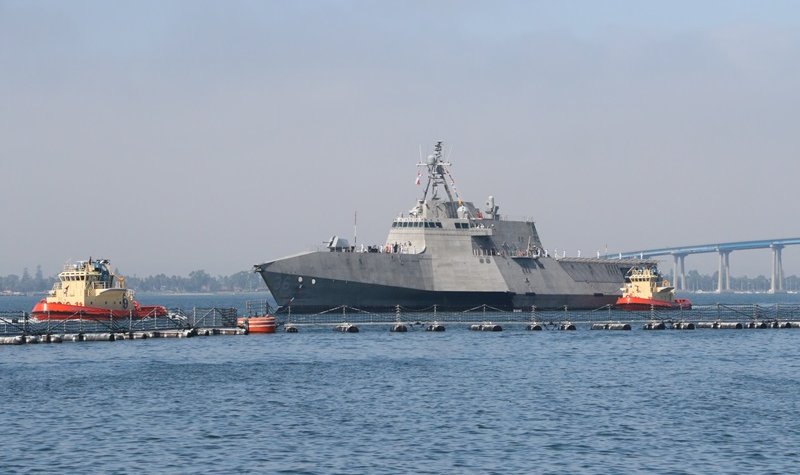
Lockheed Martin has won contracts and contract modifications on systems and platforms ranging from missile systems and naval helicopters to Littoral Combat Ships.
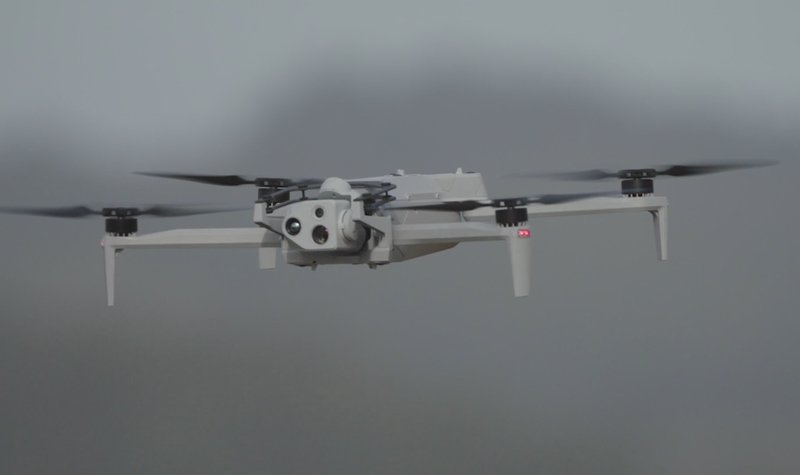
Skydio has been contracted by Spain’s Ministry of Defence to supply the Skydio 10D rotary-wing UAV to the Spanish Armed Forces. The contact is likely related to the Spanish Army’s modernisation efforts which has been enshrined in the Fuerz...
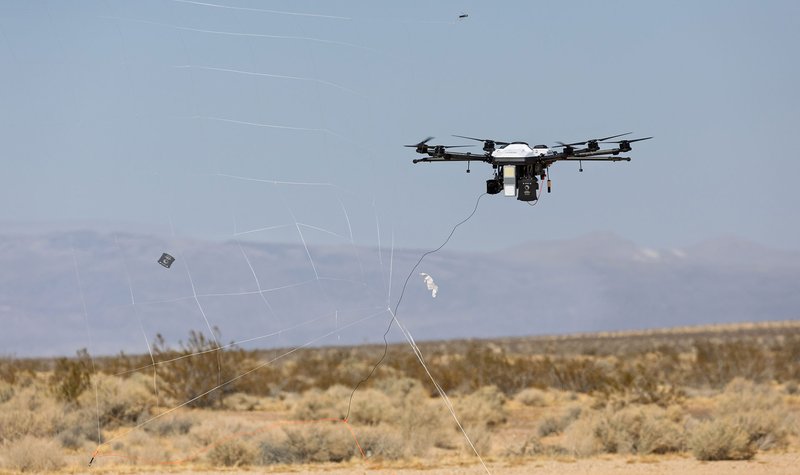
The scalable system was flown during a company-funded exercise to demonstrate its ability to detect, track and mitigate a mix of small uncrewed aerial systems, including drone swarms.
Norway previously committed to spend NOK700 million on drones for Ukraine as part of a multinational effort in January 2025, as the latter country enters the third year-anniversary of the full-scale invasion of Russian forces.
Edge Group’s international partnership collaboration included Letters of Intent (LoIs) and agreements with US firm Lockheed Martin and multinational aerospace, defence and security company, Leonardo.
The IP Network, named RIFAN 3, will build on the work of previous RIFAN 2 network, with development work carried out on the new system between 2026 to 2030.
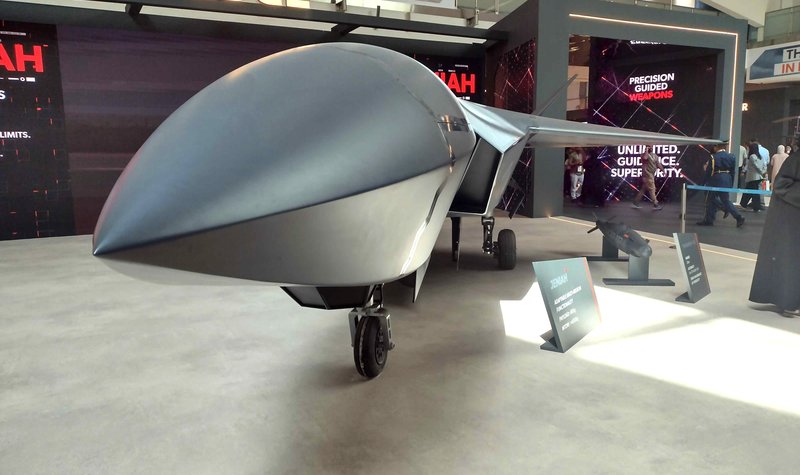
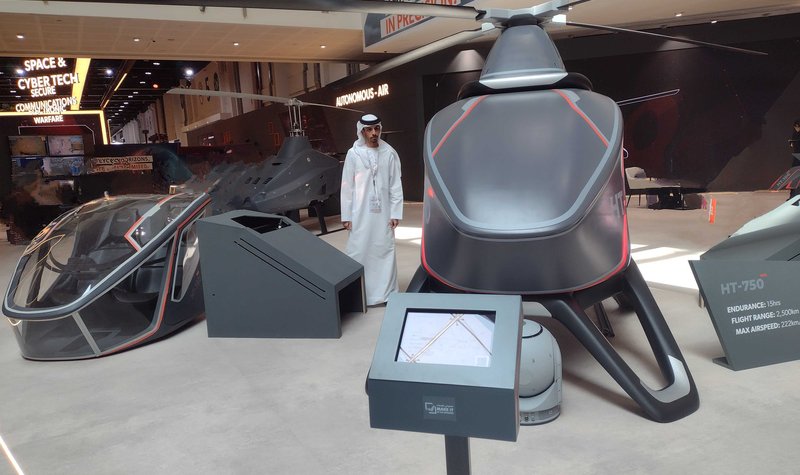
The company cashed on its home ground advantage in Abu Dhabi last week with the launch of 46 products and solutions, while exhibiting a total of 218 items on its 9,000m2 stand, on which its range of subsidiaries were promoted and 16 contrac...
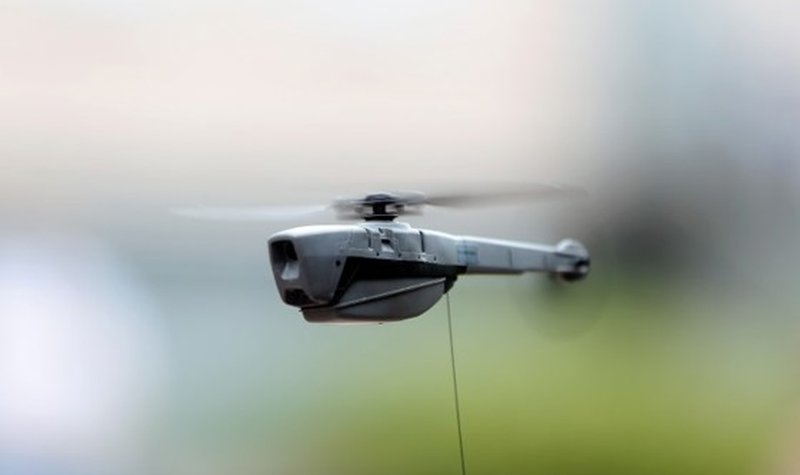
Teledyne FLIR Defense has delivered more than 33,000 Black Hornet uncrewed aerial vehicles (UAV)s to 45 countries and are being used Ukrainian forces in the war against Russia.